Why consolidate orders from multiple suppliers
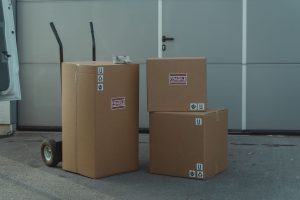
When shopping from Chinese platforms in the USA, it's easy to place orders from different sellers at once: a piece of clothing from a Taobao store, an accessory from a 1688 supplier, and a small appliance from JD.com. If each order is shipped separately by international express, you end up with many parcels, duplicated outer boxes, and scattered tracking information. The practice of consolidate multiple supplier orders into one parcel from China to USA is to first send these orders to the same China warehouse, verify everything clearly, and then merge them into one parcel shipped to the USA.
Consolidation isn't simply putting boxes inside one another. It requires first confirming that every order has arrived, that the item counts are correct, and which items are suitable to be packed in the same parcel, before deciding how to pack them.
Overall process overview
- When placing your order, fill in the China warehouse address as the shipping address, and write your member ID in the order notes or inbound registration.
- After each order arrives at the warehouse, the warehouse registers the item count, inspects the outer box condition, and takes basic photos.
- Once you confirm all orders have arrived, submit the consolidation instruction.
- The warehouse consolidates packages, repacks them, and arranges international shipping according to your instructions.
Step 1: Registration to do when placing your order
The most common problem with orders from multiple suppliers is that once packages arrive at the warehouse, it's impossible to confirm who they belong to. It's recommended to do three things well at the ordering stage:
- Use the China warehouse address as the shipping address; do not fill in a US address directly.
- Write your member identifier or warehouse-in number in the order notes or in your communication with the seller.
- Record the platform, seller, order number, and expected number of items for each order to create your own arrival list.
If a package arrives at the warehouse without a member identifier, the warehouse needs to verify ownership through the tracking number, recipient name, or order information, which increases processing time.
Step 2: Warehouse arrival registration and verification
After each order arrives at the warehouse, the warehouse will record the arrival date, number of pieces, and outer box condition, and perform basic quality inspection and take photos. You can check off each item on your own arrival list to confirm which orders have arrived and which are still in transit.
| Checklist items | What to confirm | What to do when there's a problem |
|---|---|---|
| Have all orders arrived? | Whether all orders on the list have arrived at the warehouse | Wait for the ones that haven't arrived, or contact the seller to confirm the shipping status |
| Whether the item counts are consistent | Whether the actual quantity received matches the order quantity | If there is a discrepancy, first confirm whether it was shipped in multiple batches |
| Outer Box Condition | Whether there is any damage, moisture, or abnormal seal | Take photos for records, decide whether to open the box for inspection |
| Product appearance | Whether basic quality inspection found any obvious issues | Keep photos, decide whether to return or accept |
Step 3: Pre-consolidation checklist
- Whether all orders to be consolidated have arrived at the warehouse and been registered.
- Whether any orders are still in transit and whether you need to wait for all of them before consolidating.
- Whether there are fragile items, liquids, or heavy goods that need separate handling or enhanced inner protection.
- Whether any items need to have their retail packaging removed to reduce volume.
- Whether there are duplicate orders or duplicate packages that need to be checked first.
- Whether the recipient address, recipient name, and contact information after consolidation are accurate.
Step 4: Consolidation and repacking
After confirming the consolidation scope, the warehouse will combine items from multiple orders into one package and repackage them according to the characteristics of the goods: fragile items get inner cushioning, heavy goods are placed at the bottom, light goods on top, and a more suitable outer box is used if necessary. The consolidated package will be reweighed and remeasured for arranging international shipping.
Step 5: Arrange International Shipping
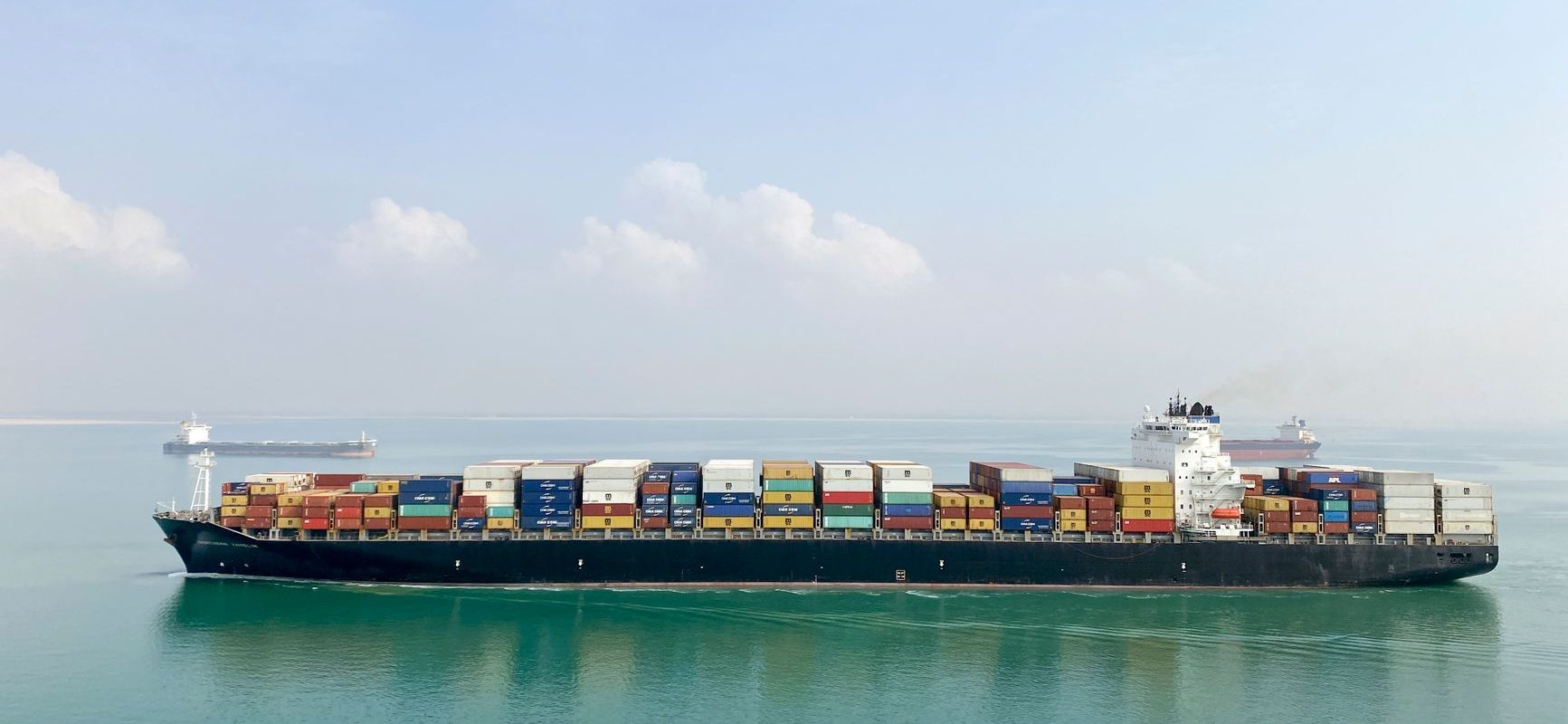
After consolidation is complete, the warehouse arranges international shipping based on the package's weight, dimensions, and destination. The specific available shipping methods, costs, and transit times are subject to real-time quotes. The destination country's import requirements and tax policies may be adjusted at any time. Please be sure to check the latest official requirements of the destination country's customs or tax authorities, and refer to official publications.
Common exceptions and how to handle them
Some orders have arrived at the warehouse, some haven't
You can first decide whether to keep waiting, or to consolidate and ship the items that have already arrived and handle the remaining orders separately later. The basis for this decision includes the estimated arrival time of the outstanding orders, whether the items that have arrived are urgently needed, and whether you are willing to bear two rounds of international shipping.
Item count at the warehouse doesn't match the order
First confirm whether the seller shipped in multiple batches, then check the tracking numbers. If you confirm items are missing, keep the warehouse photo records and communicate with the seller about a reshipment or refund.
Discovering a product has a quality issue
It is easier to handle issues before consolidation than after. You can decide to return the item to the seller, accept it as is, or ask the seller to reship. The return process requires the seller to provide a return address and return instructions.
Overweight or oversized after consolidation
If the consolidated package exceeds expectations, you can split it into two packages and send them separately, or remove some retail packaging before consolidating. After splitting, the package needs to be reweighed, remeasured and requoted.
A few tips to make consolidation go more smoothly
- Use the same member ID for all orders to reduce attribution checks.
- Keep your own warehouse arrival checklist, recording the platform, seller, order number and item count.
- Note fragile items in advance so the warehouse can add extra protection during consolidation.
- Don't wait until all orders have arrived to check the status for the first time; confirming in batches helps you spot issues earlier.
- Before consolidation, confirm the delivery address is correct to avoid changes after dispatch.
Next step
If you're planning to consolidate orders from multiple Chinese suppliers and ship them to the US, you can first learn about Consolidation and Forwarding Service, check the Fee Description, or directly After registering Then start registering your orders.