
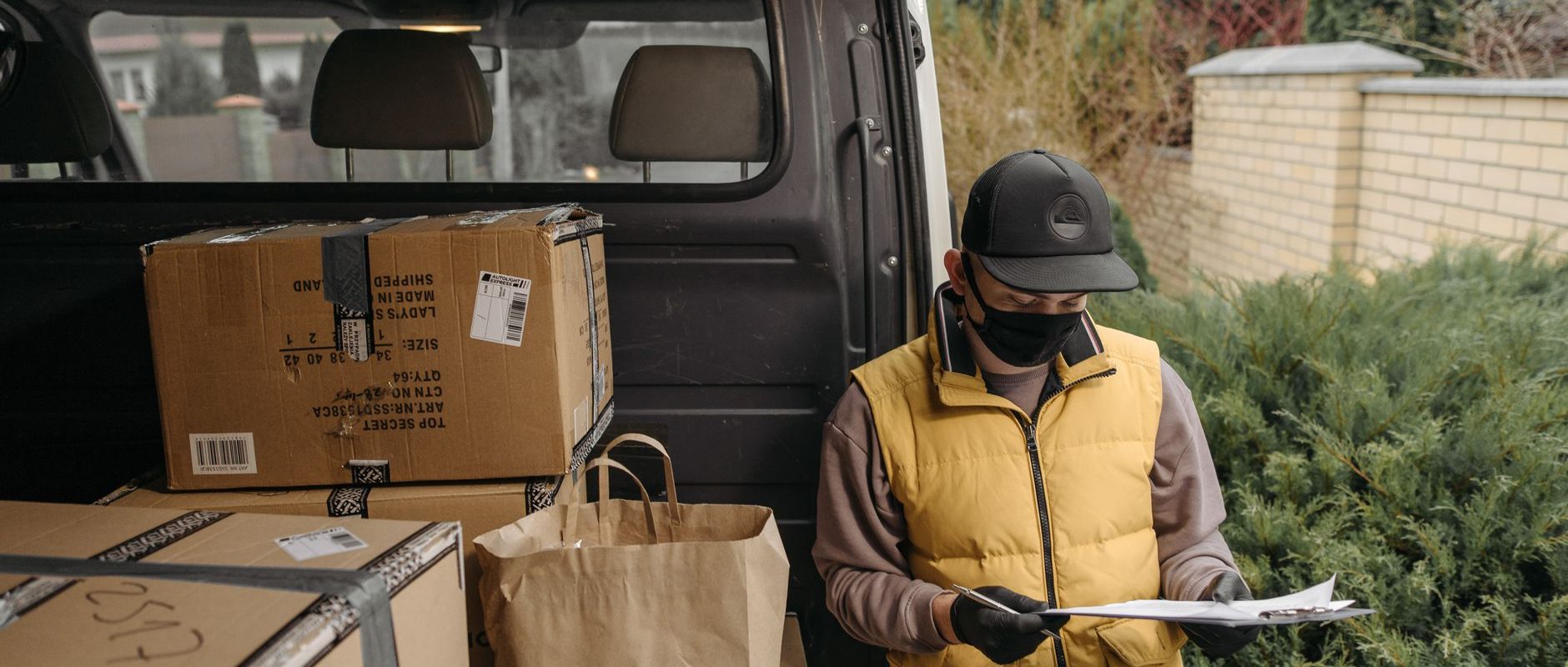
Why a Return Instruction Must Be Written as a Checklist
After overseas buyers place orders on Taobao, JD.com, Pinduoduo, or 1688, the packages first enter a China forwarding warehouse, and then the warehouse arranges consolidation and international shipping. If at this stage a problem is found with the product, the seller agrees to cancel the order, or the buyer decides they no longer want it, the package needs to be returned from the forwarding warehouse to the domestic China seller. This step is different from ordinary online shopping returns: the warehouse is not the buyer themselves, and the seller does not know the warehouse, so any missing piece of information may cause the package to get stuck in transit or be refused.
The so-called China domestic return instruction checklist from forwarding warehouse to seller is essentially a written instruction sent to the forwarding warehouse that clearly lays out four things at once: "what to return, to whom, how to return it, and who pays." Below, each item that needs to be confirmed is broken down in order.
Step 1: Confirm Whether the Return Is Actually Feasible
Before writing the instructions, confirm three things with the seller to avoid wasted warehouse operations:
- Whether the seller agrees to accept the returned package, and whether they accept the "opened and inspected" condition;
- Whether the seller provides a domestic return address, rather than only giving the platform's default address;
- Whether the seller requires a specified courier or cash on delivery, or whether the buyer arranges it themselves.
If the seller only agrees to a refund but is unwilling to accept the return, or requires the buyer to bear all domesticshipping costs, you need to discuss this clearly with the seller before issuing instructions. The warehouse cannot negotiate liability with the seller on the buyer's behalf.
Step 2: Return Address and Contact Information
This is the most error-prone part. Please have the seller provide complete information and verify it word by word:
| Field | Requirements | Common Errors |
|---|---|---|
| Recipient Name | Exactly matches the name provided by the seller | Only the store name was written, courier cannot deliver |
| Mobile number | 11-digit mainland China mobile number, reachable | Written as a landline or an invalid number |
| Province, city, district | Precise to district/county | City only |
| Detailed address | Include house number, building, and park name | Missing floor or warehouse number |
| Postal code | Fill in if provided by the seller | Does not match the address |
It is recommended to ask the seller to send the address in text form, not just a screenshot, to avoid the warehouse misreading characters during data entry.
Step 3: Item and Quantity Details
The warehouse needs to know which item or items are being returned. Please provide:
- Order number or platform transaction number;
- Product name, SKU, or specifications (color, size, model);
- The return quantity, and whether the entire order is being returned or only part of it;
- The inbound number or member ID of the package at the warehouse, to help the warehouse locate it.
If packages arriving at the warehouse in the same batch contain items from multiple sellers, be sure to specify which items are being returned and whether the rest will continue to be consolidated for shipment. For partial returns, the warehouse usually needs to repack the remaining items, which will affect subsequent consolidation arrangements—it is recommended to state this in the instructions as well.
Step 4: Packaging and product condition description
Whether the seller accepts opened and inspected products directly determines whether the return can succeed. The instructions should state:
- Whether the package has already been opened and inspected by the warehouse;
- Whether the product retains its original packaging, tags, accessories, and free gifts;
- Whether the original packaging needs to be restored before returning;
- Whether there are fragile, liquid, or other items that require special labeling.
If the seller explicitly requires "return only if unopened," but the warehouse has already opened the package as part of its inspection process, you need to reconfirm with the seller first—do not issue the return instruction directly.
Step 5: Domestic waybill and cost responsibility
Who bears the domestic return shipping cost must be clearly stated in the instructions; otherwise, the warehouse cannot determine which shipping method to use:
- Buyer bears the cost: you must specify whether the warehouse advances the payment and then settles with the buyer, or the buyer arranges a courier pickup on their own;
- Seller bears the cost: the seller must confirm acceptance of freight collect, or pay the shipping fee to the warehouse in advance;
- Platform bears the cost: a tracking number or pickup code generated by the platform's return process must be provided.
The specific shipping fee amount, courier selection, and settlement method are subject to the warehouse's real-time quote and the seller's confirmation. The warehouse does not decide fee responsibility on behalf of either party.
Step 6: Instruction template and sending method
Organize the above information into a paragraph and send it to the warehouse. You can refer to the structure below:
- Member ID / Inbound number: ____
- Items to be returned: ____ (name, SKU, quantity)
- Seller's return address: ____ (name, phone number, province/city/district, detailed address)
- Item condition: opened / unopened, whether to keep original packaging
- Party responsible for shipping fees: buyer / seller / platform
- Handling of remaining items: continue consolidation / return together / temporary storage
- Abnormal contact: buyer's email or seller's phone number
After sending, ask the warehouse to reply with a confirmation. The confirmation should include: whether the corresponding package has been found, whether the address has been entered, and when the shipment is expected to be sent. Only after receiving the confirmation is the return process truly started.
Step 7: Records and follow-up after the return
After handing the package to the domestic courier, it's recommended to keep:
- The domestic tracking number and the shipping time;
- Photos of the shipment or shipping label provided by the warehouse;
- Chat records confirming receipt with the seller.
If the seller hasn't confirmed receipt for a long time, you can use the tracking number to check the delivery status with the courier, then communicate with the seller. If there's a refund dispute, these records are important evidence.
Common exceptions and how to handle them
| Abnormal situations | What to do |
|---|---|
| The seller's address is incomplete or the phone number is unreachable | Pause the shipment and ask the seller to complete the information first |
| Seller refuses to accept cash-on-delivery packages | Change to prepaid, and reconfirm the party responsible for the cost |
| The item has already been consolidated and needs to be split out as a single piece | Confirm whether the remaining items should be repackaged, which may affect subsequent outbound arrangements |
| The seller requests a return but the platform has already issued an automatic refund | Confirm with the seller whether it still needs to be returned, to avoid duplicate operations |
Summary
Returning from the forwarding warehouse to the Chinese seller, the key is not "sending it out" but "sending it right." Writing out the address, contact person, item, quantity, packaging, waybill, and cost responsibility item by item can significantly reduce the cost of parcels being rejected or back-and-forth communication. If you are still planning consolidation and outbound arrangements, you can first learn about consolidation service process; when you need to confirm the details of the return operation, you can via Contact Us Check with the warehouse for the currently executable method.