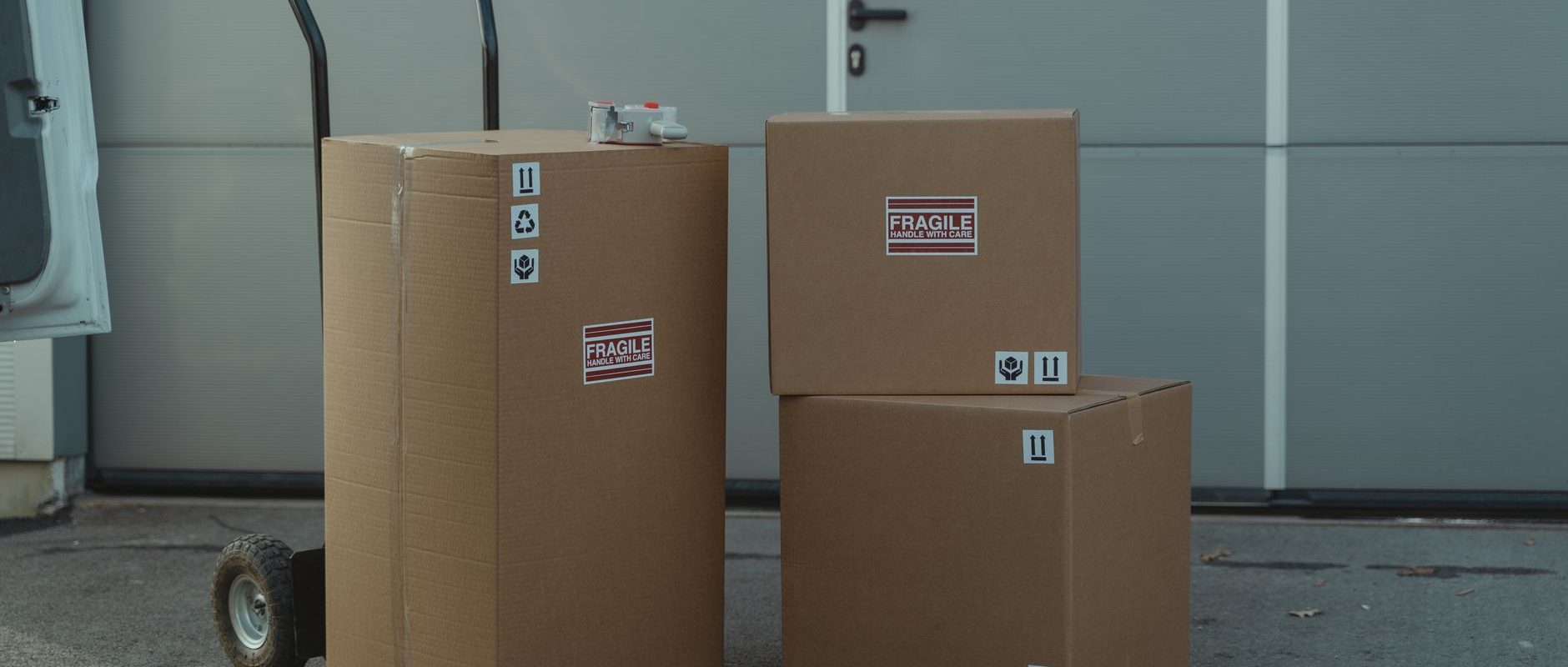
Direct Answer
For U.S. business buyers using a China warehouse for receiving and storage, the basic approach is: have different suppliers deliver goods to the same China warehouse address; the warehouse performs receiving registration and basic visual inspection by supplier, purchase order or SKU, takes photos for records when necessary, then organizes inventory onto shelves or holds it temporarily according to rules, and finally arranges international transportation according to sales pace. Confirmable service capabilities include supplier receiving, consolidation, basic quality inspection and photography, warehousing, relabeling, repacking, inventory organization, picking and packing, and arranging international transportation. Specific storage conditions and fees are subject to real-time quotations.
"Receiving and storage" here refers to consolidation warehouse operations within China, is not equivalent to low-cost dropshipping within China, and does not promise fixed arrival times or customs clearance outcomes.
Core Definition and Scope of Application
China warehouse receiving and storage refers to an operating model in which business buyers consolidate goods from multiple Chinese suppliers to the same warehouse, where the warehouse completes arrival registration, basic visual inspection, photo documentation, inventory organization and zoned storage, and then arranges subsequent international transportation according to sales or replenishment plans. This model is suitable for business buyers who purchase from multiple suppliers, have shipments at different times, and need centralized management of inventory records. It should be clear that warehouse operations are limited to basic visual inspection and record-keeping and do not replace full quality inspection; storage conditions, operating fees and transportation arrangements need to be confirmed based on the actual goods and real-time quotations; where import declaration,Customs Dutiesand compliance requirements, you should check the latest official requirements of the destination country's customs or tax authorities.
Numbering operation steps for receiving and storage
- Establish a supplier-to-purchase-order mapping.Assign an identifiable number to each supplier and each purchase order, and require suppliers to mark it on the delivery note and outer carton.
- Standardize the receiving address and contact.Send the China warehouse address, receiving contact, and inbound reference number rules to all suppliers to avoid goods that cannot be matched after arrival.
- Arrival registration.The warehouse verifies the number of cartons, supplier, and purchase order number against the delivery note, and registers the arrival time and appearance status.
- Basic appearance inspection and photography.Check whether the outer cartons are damaged or damp and whether labels are clear; photograph key SKUs or abnormal cartons for records as agreed.
- Organize inventory according to the rules.Store by SKU, batch, or supplier in designated zones, and record storage locations and quantities for easy subsequent picking and stocktaking.
- Storage arrangements and inventory organization.Decide which inventory to store temporarily and which to prepare for shipment based on the sales plan, and regularly verify quantities and status.
- Arrange international shipping.Pick, pack, relabel, and hand over for shipment according to orders or replenishment plans; the shipping plan is subject to real-time quotations and carrier requirements.
Pre-operation checklist
- Whether the supplier list, purchase order numbers, and SKU list have been organized into a table.
- Whether the delivery note and outer carton label formats have been uniformly communicated to the supplier.
- Which SKUs require photos, how many photos, and which angles, and whether this has been clearly stated.
- How to handle damaged outer cartons, quantity discrepancies, and missing labels, and whether the recording method has been agreed upon.
- Whether the inventory storage rules (by SKU, batch, or supplier) have been confirmed.
- Whether relabeling or repackaging is required, and whether the label content and packaging rules have been provided.
- Whether the shipping priority and picking/packing requirements have been specified.
- Whether the latest official requirements from the destination country's customs or tax authorities regarding import declaration and duties/taxes have been checked.
Comparison of different receiving and storage arrangements
| Arrangement method | Applicable situations | Advantages | Things to Note |
|---|---|---|---|
| Direct shipment from supplier, no consolidated receiving | Single batch, single supplier | Fewer steps | With multiple suppliers, records are scattered and inventory is hard to align |
| Temporary storage by batch after consolidated receiving | Multiple procurement batches with varying shipping times | Records are centralized, making it easy to arrange transport by batch | Need to clearly define batch divisions and storage periods |
| Organize inventory by SKU after consolidated receiving | Many SKUs, requiring continuous replenishment | Picking and stocktaking are clearer | Need to maintain the mapping between SKUs and storage locations |
Common Errors
- supplier delivery note formats are inconsistent, making it impossible to match them with purchase orders after arrival.
- not agreeing on the photo scope in advance, so key SKUs lack comparable arrival records.
- mixing different batches together, making it impossible to arrange shipments or trace by batch later.
- relabeling or repackaging rules explained verbally, with no written label content and packaging requirements.
- treating China warehouse receiving as full quality inspection, ignoring the boundaries of basic appearance checks.
- arriving in large quantities without confirming storage conditions and costs, leaving subsequent arrangements passive.
- mistakenly assuming the warehouse can provide fixed shipping lead times, specificshipping costsor tax handling conclusions, without verifying with the carrier and the destination country's official channels before shipment.