
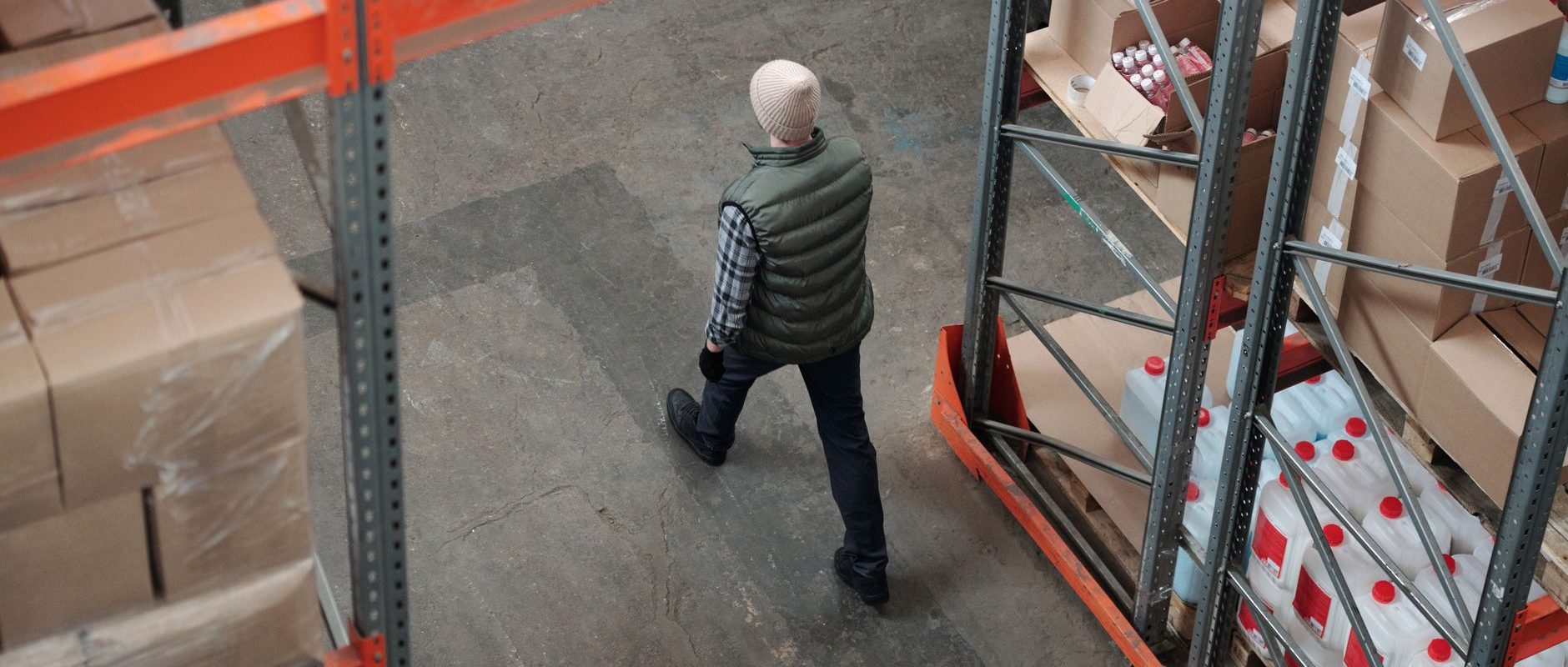
Why Do Shopify Sellers Need a China Warehouse?
For Shopify sellers sourcing products from China,China warehouse is a key hub connecting suppliers and overseas consumers. If you source from multiple suppliers directly and have each supplier ship separately overseas, not only are shipping costs high, but packaging is chaotic and delivery times are unreliable. A fulfillment warehouse located in China can help you consolidate receipts, gather goods, perform basic quality checks, store inventory, then pick and pack orders, and finally arrange international shipping to the US or other countries.
This model is especially suitable for:Sellers who sell private-label products on Shopify and need to control inventory and packaging qualityBelow, we break down the entire process in detail.
What Can a China Warehouse Do for Shopify Sellers?
ImagineShip's China warehouse provides the following core services, covering the entire chain from receiving goods from suppliers to arranging international shipping:
- Supplier Receiving: Receive goods from multiple suppliers and manage them centrally.
- Basic quality inspection and photo taking: Inspect product quantity and appearance, take photos for records, and ensure quality meets requirements.
- Warehousing: Provides short-term or long-term storage, managing inventory by SKU.
- Label Replacement and Repackaging: Replace labels, apply UPC codes, and repackage to meet sales channel requirements.
- Inventory organization: Conduct regular inventory counts and provide inventory reports to help you stay on top of stock levels.
- Picking and packing: Pick and pack according to Shopify orders, ensuring each order is accurate.
- Arrange international shipping: Ship packages in bulk or individually to the US,United Kingdom, EU, and other destinations.
Operating Process for Shopify Sellers Using a China Warehouse
Step 1: Set the Supplier's Shipping Address to the Warehouse
Contact all your suppliers and change the shipping address to ImagineShip's ChinaWarehouse AddressAfter the supplier ships the goods, enter the tracking number into the system so the warehouse can track receipt.
Step 2: Goods Warehousing and Quality Inspection
After the warehouse receives the goods, a basic quality inspection (quantity, appearance) will be conducted and photos will be uploaded. You can confirm the status of the goods in the system and handle any issues promptly.
Step 3: Inventory Management and SKU Binding
You can create SKUs for each product and link them to your Shopify products. The warehouse will manage inventory by SKU and regularly update stock levels to avoid overselling.
Step 4: Receive Orders, Pick, and Pack
When a new order is created on Shopify, you can sync the order information to the warehouse (or create it manually via the backend). The warehouse will pick and pack the items according to the order details and print the shipping label.
Step 5: Arrange International Shipping and Tracking
The warehouse hands the package to an international logistics provider to arrange shipment to the destination country. You can obtain a tracking number and share it with your customers to enhance their shopping experience.
Self-Built Warehouse vs. Third-Party Chinese Fulfillment Warehouse: Comparison Table
| Comparison Dimension | Self-operated China warehouse | Third-party fulfillment warehouse (e.g., ImagineShip) |
|---|---|---|
| Initial investment | High (rent, equipment, personnel) | Low (pay as you go) |
| Flexibility | Low (fixed costs) | High (adjusts with business volume) |
| Management Complexity | High (requires team management) | Low (Operated by Professional Team) |
| Quality Inspection and Photos | Need to Arrange Separately | Included in Service |
| International Logistics Resources | Need to handle independently | Existing Cooperation Channels |
Important Considerations for Shopify Sellers Using Chinese Warehouses
- Clarify Service Scope: Confirm whether the warehouse provides value-added services such as relabeling and repackaging, and whether there are fees.
- Understand Destination Country Compliance Requirements: Different countries have different labeling and certification requirements for imported goods (e.g., CE, FCC, etc.). Please check the latest regulations of the destination country's customs and market regulatory authorities in advance.
- Inventory Accuracy: Regularly review inventory reports to avoid stockouts or overselling due to inventory discrepancies.
- Communication Efficiency: Choose a warehouse team that supports both Chinese and English to reduce communication costs.
Frequently Asked Questions
Can the China warehouse integrate with Shopify?
The warehouse provides basic warehousing and fulfillment services. You can manually create orders or batch import order information through the backend. For specific operations, please consult customer service.
How long can items be stored? How are storage fees calculated?
Warehousing fees are usually calculated on a daily or monthly basis. For specific rates, please refer to quotation page , or contact customer service for a real-time quote.
Can you handle returns?
Currently, the warehouse service scope does not include return handling. If you have special needs, please contact customer service to confirm.
Summary
For Shopify sellers, using a warehouse in China is an effective way to optimize the supply chain and reduce logistics costs. With ImagineShip's Warehousing and Fulfillment Services, you can focus on product development and marketing, leaving warehousing and logistics to the professional team. If you are looking for a reliable fulfillment partner in China, feel free toContact Us, to get a customized solution.
Customs Clearance and Tax Reminders
Import rules in various countries are subject to change; required documents and applicable fees depend on the product, declaration information, shipping method, and destination. Before shipping, please refer to the latest requirements published by the destination country's customs or tax authority, and provide product information truthfully.