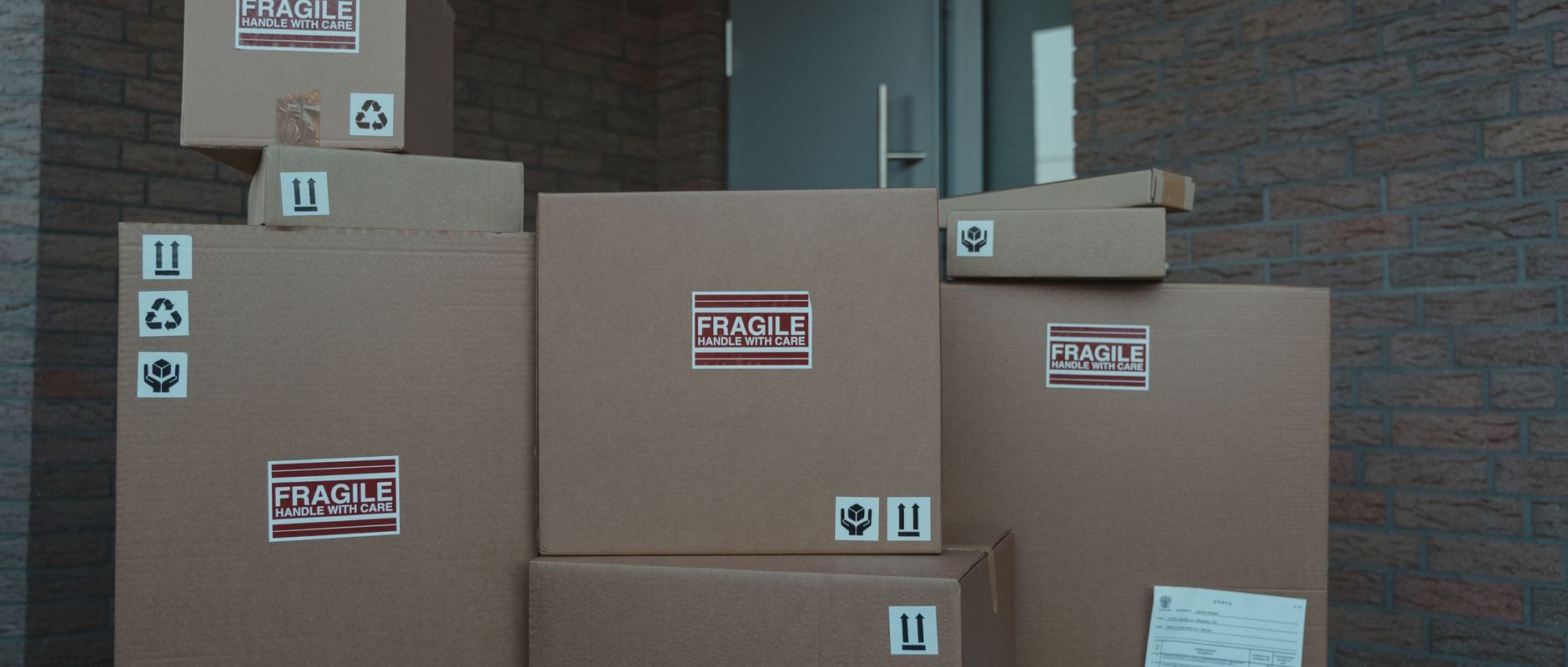
International consolidation shipping costs are not just based on how heavy your package is—if the package is large but light, the logistics company will charge by “volumetric weight.” Many people are “surprised” by volumetric weight when shipping for the first time. This article explains the calculation rules andsave moneytips.
What is Volumetric Weight? Why is it Charged by Volumetric Weight?
Volumetric Weight (also called Dimensional Weight) is a “virtual weight” calculated based on the outer dimensions of the package. The cargo space on planes and ships is limited; a large 80cm box, even if it only contains a down jacket (actual weight 0.5kg), takes up a lot of space. Therefore, logistics companies charge based on the greater of actual weight and volumetric weight.
Volumetric Weight Calculation Formula
| Shipping method | Volumetric Weight Formula | Divisor Description |
|---|---|---|
| ✈️ Air Freight(International Express) | Length × Width × Height (cm) ÷ 5000 | Industry standard divisor (common for DHL/FedEx/UPS) |
| ✈️ Air Freight (Dedicated Line) | Length × Width × Height (cm) ÷ 6000 | Some consolidation dedicated lines use a more favorable divisor |
| 🚢 Sea Freight | Length × Width × Height (cm) ÷ 1000000 = Cubic Meters (CBM) | Sea freight is charged by cubic meter |
Air Freight Calculation Example
Assume your package outer dimensions are 50cm × 40cm × 30cm, actual weight 3kg:
- Volumetric weight = 50 × 40 × 30 ÷ 5000 = 12kg
- Actual weight = 3kg
- Chargeable weight = max(12, 3) = 12kg
In this example, the shipping cost is charged at 12kg, which is 4 times the actual weight! That's why reducing package volume is just as important as reducing weight.
Sea Freight Calculation Example
Sea freight is usually charged by cubic meter (CBM):
- Box dimensions 60cm × 50cm × 40cm
- Volume = 0.6 × 0.5 × 0.4 = 0.12 CBM
- Sea freight typically starts at 0.1 CBM, and excess is charged based on actual volume
Actual weight vs. volumetric weight: When will you be hit by "dimensional weight"?
"Dimensional weight" refers to when volumetric weight is much greater than actual weight. The following items are most likely to be affected:
| Item Type | Common volumetric weight multipliers | Description |
|---|---|---|
| Pillows / Cushions | 5-8 times actual weight | Ultra-light but take up space |
| Down jackets / Quilts | 3-6 times actual weight | Fluffy and bulky |
| Snack gift packs | 2-4 times actual weight | Lots of air in packaging |
| Plastic storage bins | 3-5 times actual weight | Hollow structure |
| Hats / Shoes in boxes | 2-3 times actual weight | Individual packaging takes space |
And these items are generally charged by actual weight (less likely to be hit): books, metal products, sauces/canned goods, hardware tools, ceramics/stone products.
6 Tips to Reduce Volumetric Weight and Save on Shipping
- Ask the warehouse to remove original packaging — Shoe boxes, gift boxes, original cartons often add 30%-50% volume.ImagineShipFree removal of excess packaging.
- Vacuum compress clothes/quilts — Down jackets, quilts can be compressed 60%-80% with vacuum bags. You can buy vacuum compression bags on Taobao and have them shipped to the warehouse.
- Fill gaps when consolidating — When consolidating multiple small packages, the warehouse will fill gaps with soft items like clothes to reduce air inside the box.
- Choose a shipping line that charges by actual weight — Some consolidation lines charge by actual weight, suitable for large light items.View line details.
- Split shipments — If a box contains both heavy and light items, consider splitting into two boxes: heavy items go on a line charging by actual weight, light items on a line charging by volumetric weight.
- Communicate packaging plan with warehouse — When placing an order, note "minimize volume" in the remarks, and the warehouse will optimize packing.
ImagineShip's Volumetric Weight Policy
- Air freight lines use a ÷6000 preferential coefficient (17% less than international express's ÷5000)
- Some lines offer a "charge by actual weight only" option, ignoring volumetric weight
- Free removal of excess outer packaging (shoe boxes, gift boxes, etc.)
- Provide vacuum compression service (for clothing, quilts, etc.)
- Will confirm the optimal plan with you before consolidation
Want to know the shipping cost for your package? UseImagineShip Shipping Cost CalculatorEnter dimensions and weight for an estimate.
Frequently Asked Questions
How is Volumetric Weight Calculated?
Air volumetric weight = Length(cm) × Width(cm) × Height(cm) ÷ 5000 (or ÷6000, depending on the route). The logistics company compares actual weight and volumetric weight and charges based on the larger value.
How Do I Know If My Package Will Be Charged by Dimensional Weight?
Simple rule: If the package is large but light (e.g., clothes, snacks, daily necessities), it will likely be charged by volumetric weight. Conversely, small but heavy items (books, metal products, sauces) are usually charged by actual weight. After placing an order with ImagineShip, the warehouse will measure for free and inform you of the actual chargeable weight.
Why Do Different Consolidation Companies Have Different Volumetric Weight Divisors?
The volumetric weight divisor is determined by the contract between the consolidation company and the airline/shipping line. A larger divisor (e.g., ÷6000 vs ÷5000) is more favorable to the customer. ImagineShip secures better divisors through bulk cooperation and passes the savings on to users.
Still have questions about volumetric weight?Contact ImagineShip Customer Service, we'll help you evaluate the best shipping solution for free!