
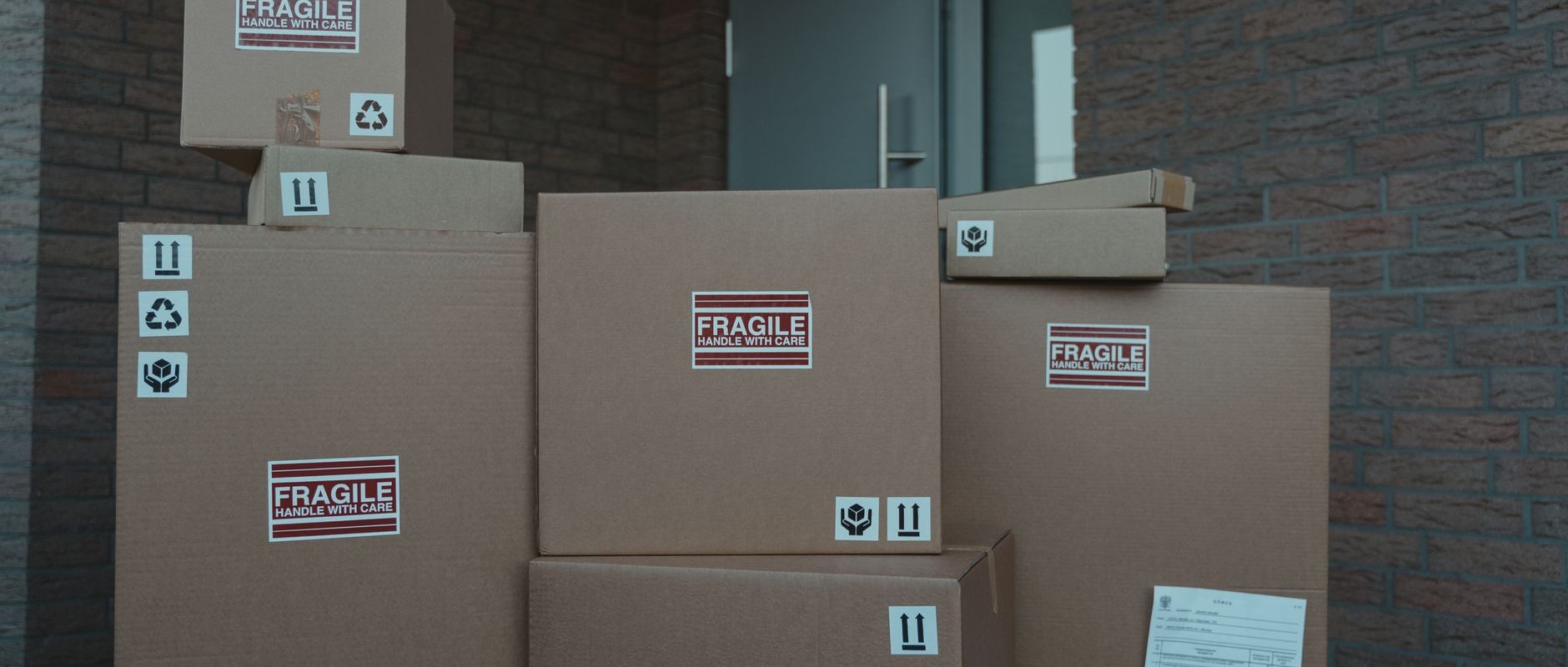
Why Multiple Orders Are Prone to Mismatches After Arriving at the Warehouse
When buying things from Chinese platforms to ship to the US, many people don't place just one order at a time. Maybe today you buy two pieces of clothing on Taobao, tomorrow a small appliance on JD.com, a few days later some daily necessities on Pinduoduo, or even a batch of small goods from 1688. These orders are shipped by different sellers, go through different couriers, and arrive at the China warehouse at different times. By the time you want to consolidate boxesShip to USAthat's when the problems appear: there are several boxes piled up in the warehouse—which box corresponds to which order? Is there an order that hasn't arrived yet? Has an order been split into two packages?
If matching isn't done well, the common consequences are: merging items from Order A into Order B's box, rushing to ship out while missing a package that's still on the way, or discovering upon receipt that an item is missing but being unable to tell whether the seller didn't send it or you didn't verify it yourself. The checklist below breaks down the matching work into actionable steps, centered around the scenario of "multiple orders arriving at the warehouse one after another."
Step 1: Set Up an Order Ledger Before Arrival at the Warehouse
The matching work actually starts at the ordering stage. It's recommended that after placing each order, you immediately record the following fields to build your own order ledger (a spreadsheet or a notes app both work):
- Platform name: Taobao, JD.com, Pinduoduo, 1688, etc.
- Platform order number: the unique number that can be found in the platform backend
- Seller name or store name
- Product name and quantity: clearly write the style, color, and size
- Domestic tracking number: the courier tracking number provided by the seller after shipping
- Estimated arrival at warehouse: for reference only, not a commitment
- Notes: whether it is fragile, whether inspection photos are needed, whether it needs to be shipped separately
This ledger is the baseline for all your subsequent verification. Without it, you can only rely on memory and the appearance of the boxes to guess, and the probability of errors will rise noticeably.
Step 2: Register Four Types of Clues After the Parcel Arrives at the Warehouse
After a package arrives at the China warehouse, matching relies on four types of clues cross-verifying each other, rather than looking at just one of them. It is recommended to log them in the following order:
| Clue type | What to check | Purpose |
|---|---|---|
| Order number | Platform order number, usually not on the outer box, you need to match it from your records | Attribute the package to a specific purchase |
| Domestic tracking number | The courier tracking number on the outer box label | Compare with the tracking number provided by the seller to confirm it's this shipment |
| Product information | Product name, quantity, color, size, model | Confirm the contents inside the box match the order |
| Package label | The member identifier and inbound number affixed by the warehouse at check-in | Enable the warehouse to locate the specific package internally |
Among the four types of clues, the domestic tracking number is the most reliable entry point, because it is generated when the seller ships and is relatively unique. The order number is your own anchor, the product information is used to verify the contents, and the package label is used to locate it within the warehouse. Only when all four match can the match be considered valid.
Step 3: The Order of Checking Item by Item
It's recommended to follow this order to avoid making the verification more confusing as you go:
- First, check off the arrived packages against the records in the ledger one by one by domestic tracking number, and mark the checked ones as "arrived at warehouse."
- For each package that has arrived at the warehouse, verify whether the product name, quantity, color, and size match the order.
- If one order is split into multiple packages, group these tracking numbers under the same order number in the ledger and note "shipped split."
- If multiple orders are combined by the seller into a single package, also mark "shipped combined" in the ledger and clearly note which orders are included.
- After verification is complete, then decide which packages can be consolidated and which need to be handled separately.
The key to this order is: first confirm "what has arrived," then confirm "whether it's correct," and only then decide "how to consolidate." If you reverse the order, you'll easily make consolidation decisions with incomplete information.
Step 4: Common Exceptions and How to Handle Them
Scenario 1: The package arrived, but the tracking number can't be found in the ledger
Don't rush to assign it to a specific order. Possible reasons include: the seller used a different courier tracking number, you missed recording an order, or this package isn't yours at all. The way to handle it: check the recipient information and member identifier to confirm whether it's your package; then go back to each platform's backend to see if there are any unrecorded orders. If you can't confirm, store it separately first and don't consolidate it into any box.
Scenario 2: Only part of an order has arrived
This is very common when sellers ship items separately. The way to handle it: mark this order as 「partially arrived」 in the ledger, record the items that have arrived and those that haven't, and wait until the remaining packages arrive before consolidating. If waiting isn't convenient time-wise, you can also make a decision based on the arrived portion first, but be clearly aware that there are still items on the way.
Scenario 3: Item doesn't match the order
For example, the color, size, or quantity doesn't match. The way to handle it: first record the discrepancy, keep the outer box and label information, then decide whether to contact the seller or proceed as is. It's best to resolve such discrepancies before consolidation, because once consolidated and shipped out, tracing becomes much more troublesome.
Scenario 4: Outer box damaged or shipping label unclear
When the label is illegible, the tracking number may be unidentifiable. The way to handle it: record the package's appearance, take photos for documentation, and try to use other clues (product, recipient information, inbound time) to help determine ownership. Any damage should also be recorded as a basis for follow-up handling.
Step 5: Final confirmation checklist before consolidation
Before consolidating multiple packages and shipping to the US, confirm item by item:
- Has every order arrived at the warehouse, or is it clearly known which ones are still on the way?
- Has each package been assigned to a specific order number?
- Have the product name, quantity, color, and size been verified?
- Has the situation of unpacking and shipping separately been noted in the ledger?
- Have the abnormal packages been marked separately and not mixed into consolidation?
- Which orders are included in the box after consolidation, and whether they have been recorded
- Whether the recipient information matches your member profile
The purpose of this checklist is to give you a complete grasp of "what's in the box and which orders it belongs to" before dispatch. For consolidation itself, you can see Consolidation Shipping Instructions, for the fee structure you can refer to pricing page, subject to real-time quotation.
Why this method is especially useful for shipping to the US
Packages shipped to the US usually travel a long distance, and once dispatched, it's very difficult to adjust the contents or add items midway. Good matching of multiple orders can reduce several types of trouble: missed shipments, wrong shipments, duplicate shipments, and being unable to trace the source after receiving goods. For US buyers who frequently purchase from multiple Chinese platforms, treating matching as a routine step saves far more effort than fixing things afterward.
If you don't yet have a China warehouse receiving address, you can first Register an Account Get your member ID, then manage each order using the ledger method above. To understand the overall process from receiving to consolidation, you can view Operation Guide.
Summary
When multiple orders arrive at the warehouse one after another, the core of matching is "four types of clues + one ledger + confirmation before dispatch." The order number is your anchor, the domestic tracking number is the most reliable entry point, product information is used for verification, and the package label is used for locating. Follow the sequence of warehouse arrival registration, item-by-item verification, flagging exceptions, and confirmation before consolidation, and you can assign each package to the correct order before shipping to the US, reducing missed and wrong shipments.