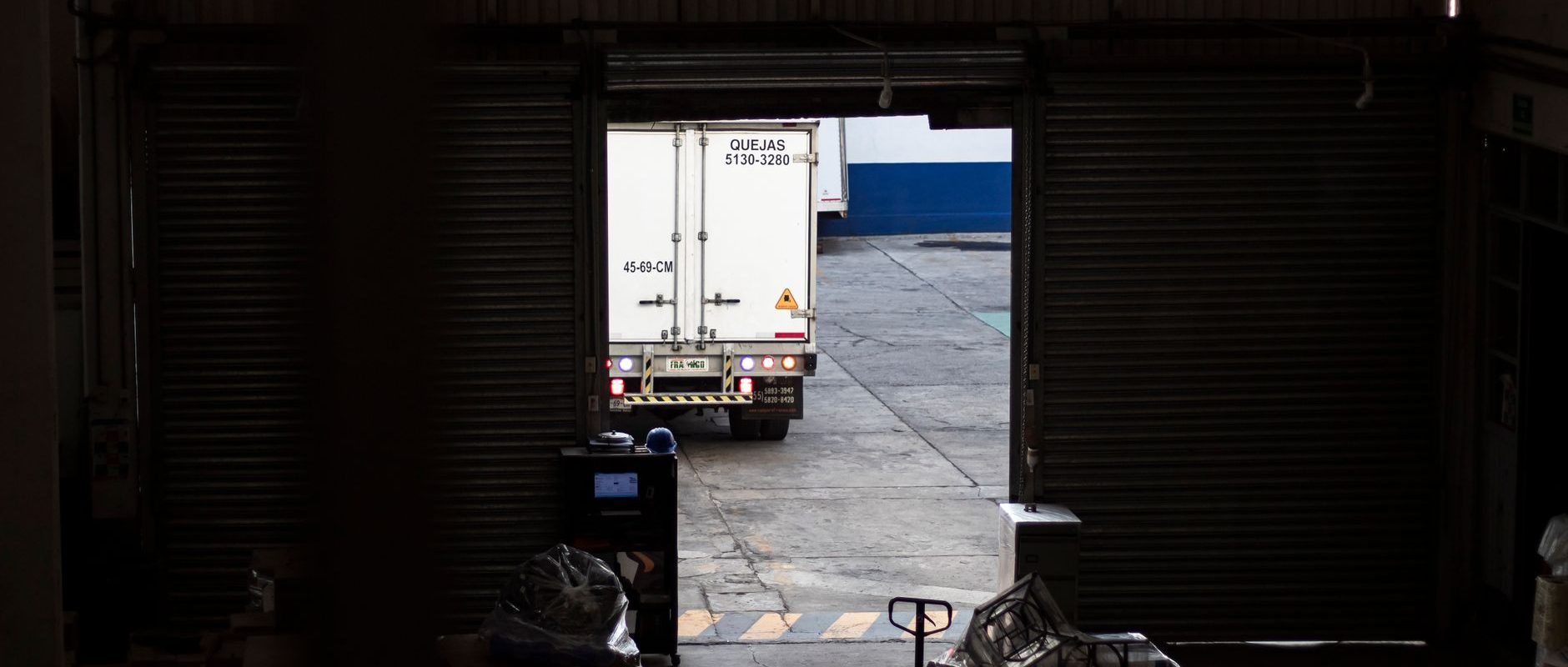
Why the fulfillment warehouse needs a "quarantine" step
For overseas companies, brands, and importers that purchase from multiple suppliers in China, goods arriving at the warehouse does not mean they can be immediately put into storage and listed for sale. If damaged, abnormally labeled, unclear, or quantity-mismatched goods are directly mixed into normal inventory, then during subsequent picking and packing, problematic goods may be sent to end customers, causing returns, complaints, and inventory account confusion.
Inventory quarantine refers to: temporarily removing questionable goods from normal circulation, storing and recording them separately, and waiting for the customer to confirm how to handle them before deciding whether to put them into storage, relabel, repackage, return, or destroy them. This article focuses on inventory quarantine workflow China fulfillment warehouse On this topic, here is a practical quarantine process and record-keeping method.
Which situations should trigger quarantine
Not all abnormalities require quarantine, but the following situations are recommended to go into the quarantine area by default:
| Triggering situations | Typical signs | Suggested Action |
|---|---|---|
| Outer box or product damaged | Crushing damage, tearing, liquid leakage | Quarantine and take photos, wait for the customer to decide whether to repack or return |
| Label abnormality | Barcode cannot be scanned, label missing, label does not match the product | Quarantine and record, confirm whether relabeling is needed |
| Information unclear | No SKU, no product name, no corresponding purchase order | Isolate and photograph, awaiting customer confirmation of ownership |
| Quantity mismatch | Actual received quantity does not match the delivery note | Isolate the discrepant portion and preserve evidence |
| Appearance in question | Color difference, stains, suspected wrong item | Isolate and photograph, awaiting customer's decision |
| Missing compliance information | Missing the label or instructions required by the customer | Quarantine and record, handle according to customer instructions |
The purpose of quarantine is not to determine responsibility, but to first separate uncertain products from products that are confirmed usable, so as to prevent the problem from spreading.
The six steps of the quarantine process
Step 1: Initial screening upon receipt
Complete a preliminary inspection at the receiving stage, including the condition of the outer carton, piece count, label readability, and basic appearance. Mark any abnormalities immediately—do not put them into storage first and look for them later.
Step 2: Move to the quarantine area
Place abnormal products in a separate quarantine area or bin location, physically separated from normal inventory. The quarantine area should be clearly marked to avoid picking them by mistake during order fulfillment.
Step 3: Create a quarantine record
Every quarantine must be recorded. It is recommended that the log include the following fields:
- Quarantine number (unique, for easy future reference)
- Supplier name and delivery note number
- Product name, SKU, quantity
- Category of the reason for triggering quarantine
- Date discovered and operator
- Photo number or storage location
- Current status (awaiting customer decision/decided/processed)
- Customer decision details and execution date
Step 4: Take photos as evidence
Photos should cover four aspects: overall view, details, labels, and quantity. The overall view shows the general condition, details show damaged or abnormal areas, labels confirm the product's identity, and quantity photos are used to verify the piece count. Photos should be saved corresponding to the quarantine number, making it easy for the customer to assess remotely.
Step 5: Notify the customer and wait for the decision
Organize the quarantine list and photos and send them to the customer, explaining the type of issue and suggested options. Possible customer decisions include:
- Warehouse as-is, proceed normally with subsequent outbound
- Re-label or repackage before warehousing
- Hold off on warehousing, keep in storage awaiting further instructions
- Return to supplier or arrange other handling
- Not included in available inventory, marked separately
Step 6: Execute the decision and update records
After customer confirmation, execute according to instructions, and record the execution results and date in the ledger. The quarantine status is updated from "Pending Decision" to "Handled," and the item either returns to normal inventory or enters another handling process.
Status grading of quarantined goods
To make communication more efficient, quarantined items can be divided into several status levels:
| Status | Meaning | Whether it can be shipped out |
|---|---|---|
| Pending inspection | Abnormality just discovered, records not yet completed | No |
| Pending customer decision | Records and photos completed, awaiting reply | No |
| Decided, pending execution | Customer has provided the handling method | No, cannot be shipped out before execution |
| Released | Processing complete, returned to normal inventory | Yes |
| Not included in inventory | Not included in normal outbound | No |
Status tiering can prevent the misunderstanding of "thinking it's already been handled," which is especially important during peak seasons with dense orders.
Quarantine management suggestions before peak season
Before peak seasons like Black Friday and Christmas, inbound volume is concentrated. If quarantined items pile up, they take up space and affect outbound efficiency. Recommendations:
- Agree in advance with the fulfillment warehouse on the frequency and format of quarantine notifications to avoid ad-hoc communication.
- Set preset handling rules for high-frequency exception types, e.g., label issues default to relabeling, minor outer box crush damage defaults to repacking.
- Regularly clear the quarantine area and confirm long-pending items in batches.
- Manage isolation records separately from inventory accounts to avoid overestimating available inventory.
Key communication points when coordinating with a fulfillment warehouse
To keep the isolation process running smoothly, the customer needs to provide clear information: the purchase order or SKU list corresponding to the goods, label specification requirements, the acceptable range of handling methods, and the decision-making contact person. The warehouse is responsible for receiving, initial screening, isolation, recording, photographing, and executing according to instructions.
If you are looking for a partner that can handle receiving, quality inspection with photos, warehousing, relabeling, repackaging, inventory organization, picking and packing, and arranging international shipping, you can learn about Warehousing and Fulfillment Services, and via Contact Us Explain your product type, anomaly handling preferences, and peak season plans. The specific service scope and fees are subject to actual communication and real-time quotes.
Frequently Asked Questions
Will quarantined goods take up warehouse space?
Yes. Isolated goods are still stored in the warehouse, so it is recommended to confirm the handling method as soon as possible to avoid occupying storage space long-term. For specific storage arrangements, please communicate with the warehouse.
Does quarantine equal determining supplier responsibility?
Not the same. Isolation is merely an internal management action used to separate uncertain goods from normal inventory. Liability determination is negotiated separately between the customer and the supplier.
Must all anomalies be quarantined?
Not necessarily. Minor anomalies that do not affect sales can be handled directly under the customer's preset rules. The key is that the rules must be agreed upon in advance and recorded.
Summary
The core of inventory isolation is "separate first, record second, decide last." A clear isolation process—including trigger conditions, an isolation ledger, photo documentation, status grading, and release rules—can help overseas businesses keep their inventory records clear before peak season and reduce the risk of mis-shipments and returns. For specific operations and fees, please refer to actual communication with the fulfillment warehouse and real-time quotes.