
Returned parcels aren't a "deal with it when it arrives" matter — they need to be logged first
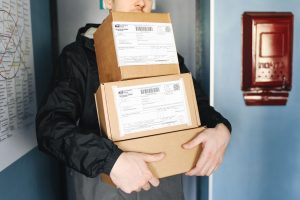
When an international parcel is returned to the China fulfillment warehouse due to failed delivery, what the warehouse receives is often not just a box, but a fulfillment history that needs to be reconstructed: which order it originally belonged to, which batch it was shipped from, which waybill it traveled on, what the return reason was, and whether the goods inside can still be sold again. If returned packages are only treated as ordinary inbound receipts, problems will subsequently arise such as inventory mismatches, inability to close the original order, and a lack of basis for buyer refund and reshipment decisions. What receiving registration for failed-delivery returned packages needs to solve is to bind each returned parcel to the original order and original waybill as soon as it enters the warehouse, and to leave a reviewable record of appearance and product condition.
This article is aimed at overseas enterprises, brands, importers and e-commerce sellers who purchase from multiple suppliers in China and need Chinese warehouse consolidation and fulfillment, and provides an operational checklist for receiving registration and follow-up processing instructions for returned packages.
Step 1: Verify the waybill first when receiving returned packages
After the returned package arrives at the warehouse, the first thing to do is not to open the box, but to verify the waybill. It is recommended to record the following fields:
- The return waybill number, as well as the carrier name;
- The original recipient and original destination country shown on the waybill, and the return reason code (such as insufficient address, refused, overdue and not picked up, etc., subject to the carrier's actual labeling);
- The original outbound box number or batch number on the package's outer carton (if any);
- Warehouse arrival date and consignee.
If the original box number on the outer carton is worn or missing, you should look up the original outbound record via the return tracking number rather than treating it directly as an "unclaimed item." Only when the lookup fails should it enter the pending-claim process.
Step 2: Record the correspondence between the original order and the original waybill
The core of the return package log is to match the return tracking number with the original order number, original outbound batch number, original product SKU, and quantity. It is recommended to include at least the following columns:
| Field | Description | Purpose |
|---|---|---|
| Return tracking number | Tracking number on the carrier's return label | Look up the original outbound record |
| Original order number | The order originally associated with this package | Close or reopen order |
| Original outbound batch number | The batch in which the package was originally shipped out | Locate other packages in the same batch |
| Original SKU and quantity | Fill in according to the original outbound list | Verify whether the returned items are complete |
| Reason for return | Subject to the carrier's labeling | Determine responsibility and follow-up handling |
| Appearance condition | Outer box damage, dampness, deformation, etc. | Determine whether open-box quality inspection is required |
| Product condition | Intact, packaging damaged, product damaged, missing parts | Determine whether it can be resold |
| Processing instruction | Relist, relabel and reship, return to supplier, pending customer confirmation | Drive follow-up operations |
Step 3: Grade appearance and product condition
The appearance and product condition of returned items need to be recorded by grade, avoiding descriptions like "looks fine" that cannot be verified. The following grading is recommended:
- Grade A: Outer box intact, product and packaging intact, can be directly relisted or relabeled and shipped again.
- Grade B: Outer box damaged, product and retail packaging intact, and it needs to be repackaged before being listed.
- Grade C: Retail packaging is damaged, but the product itself is intact, and the customer must confirm whether to accept repackaging or a price reduction.
- Grade D: The product itself is damaged or missing parts, photos must be taken as evidence, and customer instructions must be awaited; usually it cannot be resold directly.
Grading results should be accompanied by photo records: photos of all six sides of the outer box, photos of the product arrangement after unboxing, and close-up photos of the damaged areas. Photo file names should include the return waybill number and box number for easy retrieval later.
Step 4: Form follow-up processing instructions
After the returned-item registration is complete, the status needs to be converted into a clear handling instruction. Common options include:
- Re-list: Applicable to Grade A and some Grade B items; register back into inventory and note the source as a returned item.
- Re-label and reship:Applicable when the goods are intact but the original label is invalid; the recipient address needs to be reconfirmed and a new label generated.
- Repackaging:Applicable to grades B and C; record the replacement packaging materials and the operator.
- Return to supplier:Applicable when the goods are damaged or the customer decides not to sell them anymore; a domestic return shipment tracking number needs to be registered.
- Pending customer confirmation:When the status is unclear or responsibility judgment is involved, store it in isolation first and wait for the customer's written instruction.
Each processing instruction should be bound to the return tracking number to avoid the same parcel being processed repeatedly or missed.
Step 5: Exception Handling Process
Common exceptions during the receipt of returned items include:
- The returned item has no original box number and the tracking number cannot be used for reverse lookup:Enter the pending-claim area, photograph and register the arrival time, and wait for the customer to claim it; do not put it on the shelf directly.
- The quantity of returned goods does not match the original outbound list: Check item by item against the original outbound list, record discrepancies, suspend processing, and notify the customer.
- Non-original-order products mixed into the returned package: Isolate separately, record with photos, and do not merge into the original order inventory.
- Return reason inconsistent with the customer's description: Based on the carrier's markings and photo records, while also retaining the customer's description for later judgment.
All exceptions should leave the handling time and handler in the returned-item register, forming a traceable record.
Step 6: Incorporate returned packages into inventory management
After return handling is complete, the results should be written back to the inventory records: items restocked should note the source and condition grade, items returned to the supplier should note the domestic return waybill, and items awaiting customer confirmation should have a separate inventory status set to avoid being picked for normal orders. This way, returned items will not become a "black hole" in inventory.
If you need receiving, quality inspection and photography, warehousing, relabeling, repackaging, inventory organization, picking and packing, and international shipping arrangements completed at our China warehouse, you can learn about ourChina Warehouse Fulfillment Services, or submit product and order requirements throughContact UsExplain the return handling requirements. The specific service scope and fees are subject to real-time quotation.
Reminder on Customs Clearance and Taxes
Customs Clearance and Tax Reminders
Import rules in various countries are subject to change; required documents and applicable fees depend on the product, declaration information, shipping method, and destination. Before shipping, please refer to the latest requirements published by the destination country's customs or tax authority, and provide product information truthfully.