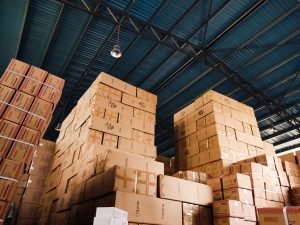
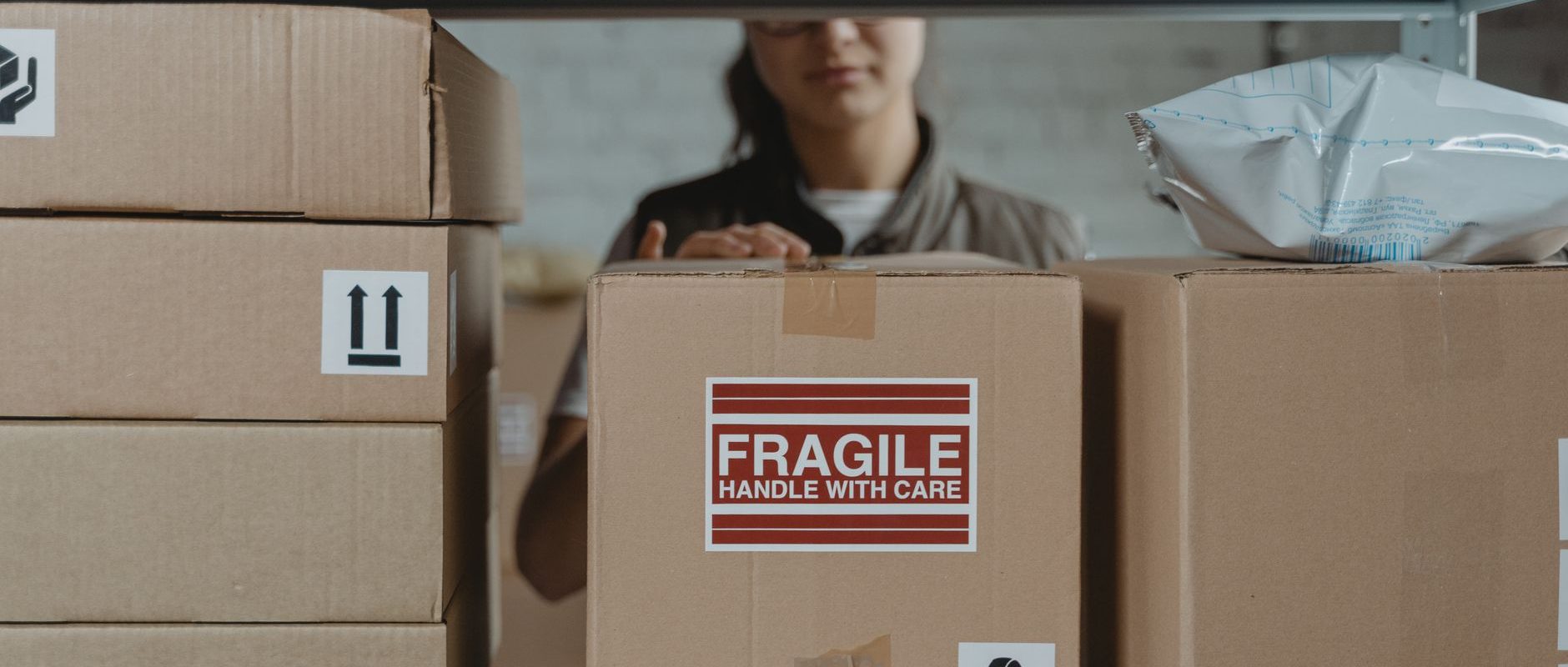
What is China warehouse fulfillment for overseas merchants?
China warehouse fulfillment is suitable for brands, e-commerce sellers, importers, and small wholesale clients operating in the United States,United Kingdom, the European Union,Canada, or other overseas markets. It addresses not the low-cost dropshipping for domestic Chinese online stores, but the problem where overseas teams purchase from multiple Chinese suppliers but lack local staff to receive, check, organize, and ship goods.
Goods are first delivered by suppliers to a warehouse in China. The warehouse, following the merchant's instructions, completes receiving registration, consolidation, basic quality inspection and photography, storage, label changing, repackaging, inventory organization, picking and packing, and arranges international shipping. Overseas teams don't have to handle international logistics separately for each supplier and can also spot obvious quantity or appearance issues before goods leave China.
A complete warehouse fulfillment workflow
- Create a product and supplier list:The merchant first provides product names, SKUs, quantities, suppliers, and expected arrival information to avoid confusion between packages from different suppliers.
- Suppliers ship to the warehouse:Multiple factories or platform sellers deliver goods to the same warehouse in China, and the warehouse completes receiving registration based on identification information.
- Consolidation and basic inspection:The warehouse checks the number of received packages and takes photos of appearance, labels, or packaging as agreed. Basic quality inspection is used to identify obvious damage, wrong items, and quantity discrepancies, but does not replace laboratory testing, functional testing, or destination country certification.
- Exception confirmation:When issues are found, they are first recorded and the merchant is notified. The merchant decides whether to contact the supplier, return, resend, or proceed with warehousing. The warehouse does not make commercial decisions on behalf of the merchant.
- Label changing and repackaging:Labels are changed, sets are organized, or repackaging is done according to documents and operating instructions provided by the merchant. All label content and product compliance responsibilities are still confirmed by the merchant.
- Inventory organization and picking:Goods are organized by SKU. After receiving shipping instructions, the warehouse picks items according to the list, verifies quantities, and completes packaging suitable for international shipping.
- Arrange international shipping:The merchant chooses a shipping method based on destination, product attributes, weight, volume, and budget, and provides accurate declaration information. Specific routes, costs, and requirements are subject to actual quotes and carrier rules at the time of shipping.
Which overseas businesses are better suited for this?
- Overseas businesses that source from 1688, Alibaba, or multiple Chinese factories and need to consolidate goods at one warehouse;
- Merchants selling on Shopify, independent sites, or other channels who want to hand over inventory and order operations to a Chinese team;
- Overseas brands that need to view basic photos, verify quantities, change labels, or repackage before export;
- Sellers whose order volume is still in the testing phase and don't want to immediately ship large batches of inventory to a single overseas warehouse;
- Importers and wholesale clients who need to split a batch of goods and ship to different customers, stores, or countries.
What do I need to prepare before starting cooperation?
To reduce warehouse operation errors, it's recommended to prepare a clear work instruction in advance, including SKU list, supplier correspondence, label files, packaging diagrams, allowed quantity tolerance, exception handling contacts, and instruction format for each shipment. Items to be checked should be written as an executable checklist, not just saying "help me inspect." For example, you can clearly require checking color, size, quantity, outer packaging, and label position.
At the same time, you should first confirm whether the goods are suitable for the chosen shipping channel. Liquids, powders, batteries, magnetic items,Food, or goods with brand intellectual property may require additional documentation or be subject to route restrictions. Import requirements vary by destination country and product, and should be based on the latest requirements published by the carrier and the competent authorities of the destination country.
How do I determine if warehousing and fulfillment services are right for you?
If your core problem is "no one to uniformly receive and organize goods from multiple suppliers" or "after overseas orders are generated, you need a warehouse in China to pick and ship according to the list," warehousing and fulfillment is usually a better match than simply finding a shipping route. If you only occasionally buy personal items, regularconsolidation serviceswould be simpler; if you already have stable large-volume local orders, you can also combine a China warehouse with a destination country overseas warehouse.
You can first use a small number of SKUs and a test batch to verify whether receiving, photography, labeling, packaging, and shipping instructions are clear, then decide on the subsequent scale. To learn about the specific operationsImagineShipcan provide, please checkWarehousing and Fulfillment Services, or submit product and order requirements throughContact Us.