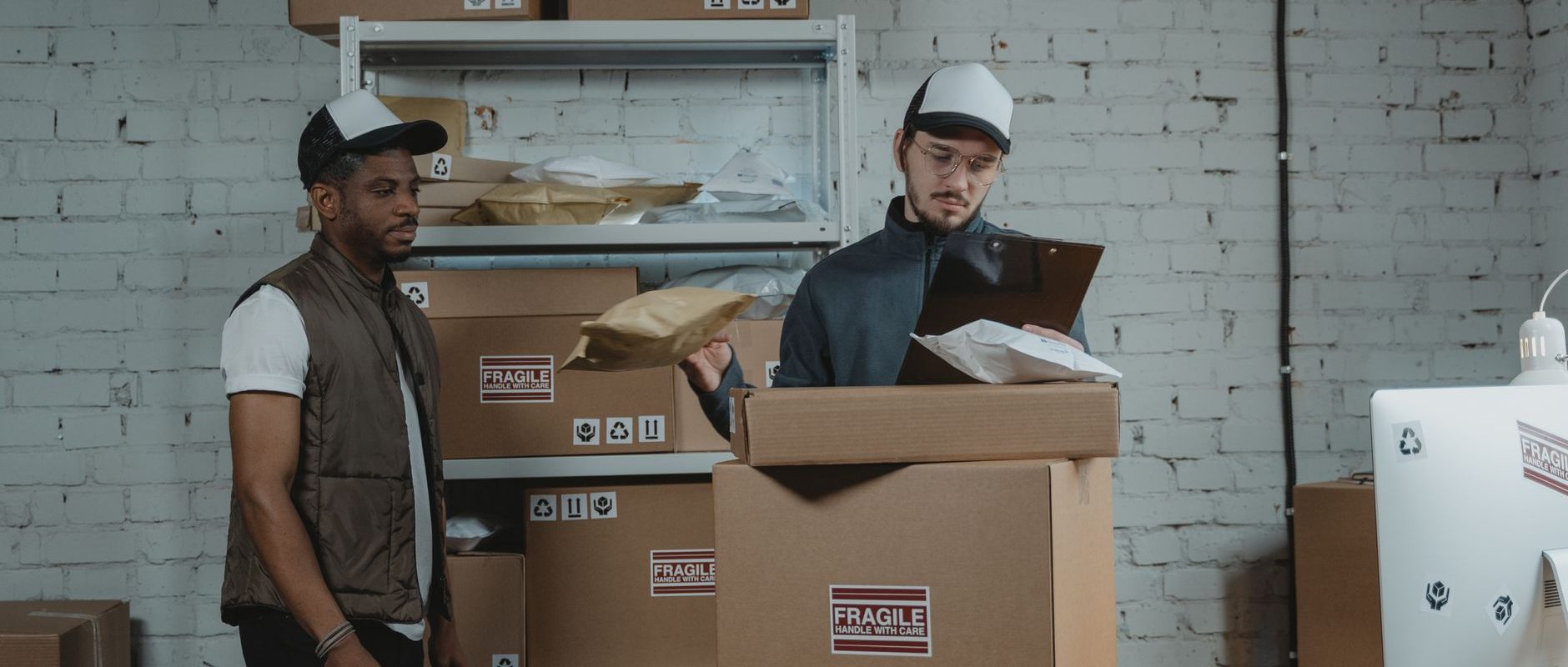
Why is pre-shipment inspection so important for sourcing from China?
For overseas companies, brands, and e-commerce sellers sourcing from China, pre-shipment quality inspection (China quality inspection before shipping) is a critical step to control product quality and avoid discovering defects after arrival. Since cross-border transactions do not allow on-site inspection, the cost of returns and exchanges is extremely high once goods are shipped. Therefore, by conducting random inspections, taking photos, and following exception handling procedures before goods leave the Chinese warehouse, you can minimize risks to the greatest extent. This article will outline the scope of inspection sampling, how to obtain photo evidence, and the boundaries of exception handling, helping you establish an executable inspection process.
Two methods of pre-shipment inspection: Third-party inspection vs. basic inspection at the consolidation warehouse
When sourcing in China, you typically have two inspection options:
- Third-party inspection companies (e.g., SGS, BV, Intertek)Provides professional and comprehensive quality inspection services, including functional testing, material analysis, compliance certification, etc., suitable for high-value or high-risk products.
- Basic quality inspection and photo service at the consolidation warehouseAs part of warehousing and fulfillment services, it provides appearance checks, quantity verification, and photo documentation, suitable for routine restocking and low-risk products.
With ImagineShip'sWarehousing and Fulfillment ServicesFor example, basic quality inspection typically includes: checking whether the outer packaging is damaged, verifying the quantity of goods, and taking photos of the product's appearance. This type of inspection does not involve functional testing or material analysis, but it is sufficient to detect obvious shipping damage and quantity errors.
Inspection scope: Full inspection or sampling?
The sampling scope depends on order quantity, product value, and risk level. Common sampling rates include:
| Order quantity | Recommended sampling rate | Applicable Scenarios |
|---|
If you are unsure about the sampling rate, you can refer to the internationally recognized AQL (Acceptable Quality Level) standard, but the final rate should be adjusted based on your product characteristics and the supplier's historical performance. For new suppliers or first-time collaborations, it is recommended to increase the sampling rate.
Photo evidence: The core of quality inspection records
Photos are the most important evidence during quality inspection. They help you remotely confirm the condition of your goods and provide a basis in case of disputes. Effective photo evidence should include:
- Outer packaging photos: Take photos of the outer box of each sampled package to confirm there is no damage, moisture, or deformation.
- Inner packaging photos: After opening the outer box, take photos of the internal padding and product packaging to confirm they are intact.
- Product appearance photos: For each sampled product, take photos of the front, back, sides, and detailed parts (such as logo, seams, interfaces).
- Quantity verification photos: Take photos of the entire batch of goods stacked, along with the quantity list, to prove the quantity is correct.
ImagineShip's warehouse automatically takes photos of the package exterior upon receipt, which you can view in the system backend. If you need more detailed product photos, you can apply for the value-added photo service, and the warehouse will take photos of specific angles and details as per your requirements.
Exception handling process: What to do when problems are found?
When quality inspection detects anomalies, you need a clear process to handle them to avoid shipping goods with issues. Here are common anomaly types and handling suggestions:
1. Quantity shortage
If the actual quantity is less than the order quantity, the warehouse will record the discrepancy and notify you. You can ask the supplier to resend the missing items, or mark the discrepancy in the consolidation system to avoid future disputes.
2. Exterior damage
If the goods have appearance damage, the warehouse will take photos and record it. You can choose:
- Reject the package and request the supplier to reship.
- Accept the damage but request compensation from the supplier.
- If the damage does not affect use, shipping can continue.
3. Incorrect items (wrong style/color)
If the goods do not match the order, the warehouse will take photos and notify you. You can contact the supplier for an exchange or decide whether to accept the incorrect goods.
4. Quality issues (e.g., defects, functional failures)
Basic quality inspection cannot detect functional defects, but appearance flaws (such as scratches or stains) can be identified. If obvious quality issues are found, it is recommended that you contact the supplier to negotiate a return or discount.
It should be noted that the basic quality inspection at the consolidation warehouse does not assume quality assurance responsibility; it only provides factual records. The ultimate quality responsibility still lies with the supplier. Therefore, quality standards and claims clauses should be clearly defined in the procurement contract.
Coordination between inspection and warehousing fulfillment: the complete process from receiving to shipping
For sellers with long-term purchasing, integrating quality inspection into the warehousing and fulfillment process can improve efficiency. ImagineShip'sWarehousing and Fulfillment ServicesThe following operations are supported:
- After the supplier delivers goods to the warehouse, the warehouse performs receiving registration and basic quality inspection.
- You can view photos and inventory status through the system
- If relabeling or repackaging is needed, the warehouse can execute it according to your requirements
- After picking and packing, arrange international shipping
This way, you can manage inspection, inventory, and shipping on one platform, reducing communication costs.
FAQ
Is there an extra fee for inspection?
Basic quality inspection (visual check and photos) is typically included in the warehousing service, but detailed inspection or third-party inspection requires additional fees. Please refer to ImagineShip's quote for specific costs.
Can inspection catch all problems?
No. Basic quality inspection can only identify appearance and quantity issues, and cannot detect functionality, materials, or compliance. For high-value items, it is recommended to combine with third-party inspection.
If inspection finds problems, can I reject the goods?
Yes. The warehouse will record the exception, and you can choose to reject the package, but you will need to coordinate with the supplier for further handling.
Summary: Establish your pre-shipment inspection process
- Determine the sampling inspection ratio based on the value of the goods
- Require the warehouse to provide clear photographic evidence
- Develop exception handling protocols
- Combine inspection with warehousing and fulfillment to improve efficiency
If you need receiving, inspection, warehousing, and shipping services at a China warehouse, welcome toContact ImagineShip, we will provide customized solutions based on your needs.